Autumn on the Comfort Shelf: The Quiet Ritual of Rereading Canadian Fantasy
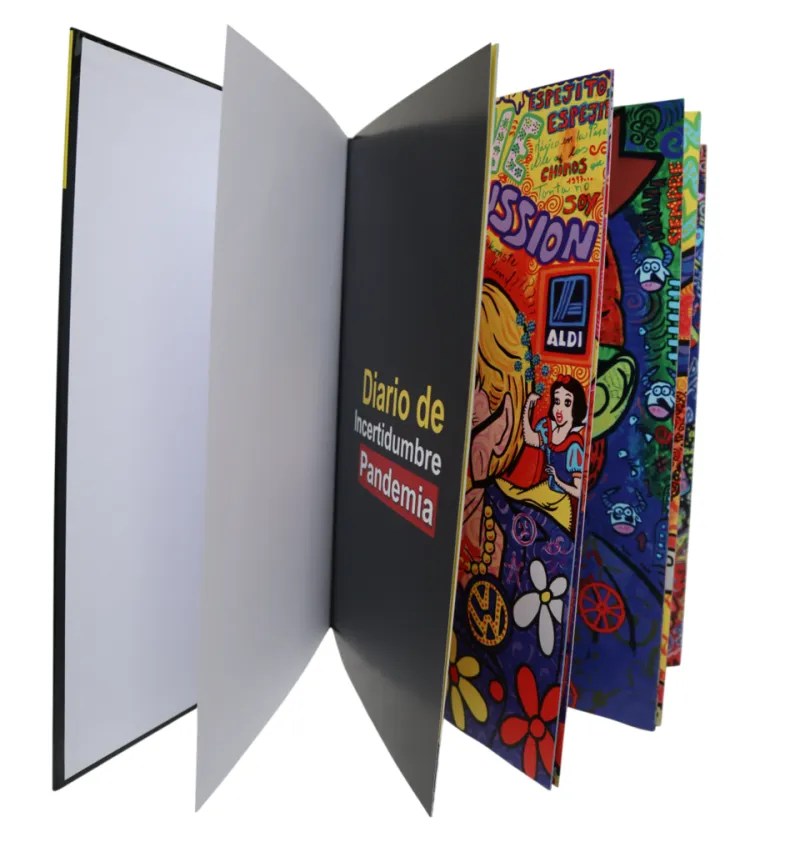
Photo: HonysTorresArt, CC BY-SA 4.0, via Wikimedia Commons
Somewhere between the last warm weekend of September and the first serious snowfall, a quiet migration happens in Canadian households. It is not the migration of geese, though the timing is similar. It is the journey of certain books — often the same ones — from the back of the shelf to the bedside table.
Ask around and the pattern reveals itself. A reader in Halifax rereads the same portal fantasy every October, starting the night the furnace kicks on for the first time. A book club in Saskatoon has, without formally deciding it, made a habit of returning to a beloved northern trilogy each November. These are not reading projects. They are rituals, as fixed and seasonal as raking leaves or digging out the winter boots.
Rereading as Season, Not Failure
There was a time when literary culture treated rereading with faint suspicion — time spent on old books was time not spent on new ones. That attitude has largely dissolved, and fantasy readers were among the first to let it go. In a genre built on immersion, on long series and lived-in worlds, returning to a familiar book is less a retreat than a homecoming.
"I don't reread to find out what happens," says Margaret, a retired teacher in Kingston. "I know what happens. I reread because the world is the same and I am not. Every autumn I notice different things — what the characters are afraid of, mostly. When I was twenty-five I skipped those parts."
There is something distinctly Canadian in this rhythm. Our year is shaped by extremes: the long slide into winter, the slow thaw out of it. Books that speak to thresholds — to crossing between seasons, between worlds, between the ordinary and the strange — seem to carry extra weight when read against a landscape doing exactly that. A novel about a door opening into another realm reads differently in July than it does in late October, with the wind stripping the maples outside the window.
What the Comfort Shelf Holds
Not every book earns a place in the autumn rotation. The readers we spoke to described a surprisingly consistent set of qualities.
Weather that matters. The books that return each year tend to take weather seriously — snow, frost, long nights. Not as backdrop, but as a force the characters must reckon with.
A world that rewards familiarity. Comfort reads are dense enough that something new surfaces each time, but stable enough that nothing startles. The pleasure is in recognition, not surprise.
A low emotional ceiling on dread. Many readers described wanting books that are serious without being devastating. The comfort shelf is not the place for the ending that wrecks you. It is the place for the ending that settles you.
Portability of memory. Several readers mentioned physical copies with history — a paperback bought at a long-closed bookstore on Yonge Street, a library discard with a withdrawn stamp, a mass-market edition held together with hockey-tape repairs. The object itself is part of the ritual.
Building Your Own
For readers curious about starting the tradition, the advice from long-time practitioners is refreshingly simple.
Begin small. One book is enough. Choose something you have already read and liked rather than something you feel you ought to read — aspiration has no place on the comfort shelf.
Pair the book with a season rather than a date. Attaching the reread to a natural marker — the first frost, the end of daylight saving, the first snow that stays — makes the habit self-sustaining.
Keep notes, but keep them light. A pencil line in the margin, a date written on the inside cover. Several readers described these annotations as a private correspondence with their younger selves, and cited them as the chief reward of the practice.
And finally: permit the shelf to change. Rituals that cannot bend break. A book that served you through a decade of autumns may one day quietly stop calling, and another will take its place. That, too, is part of the turning of the wheel.
Why It Endures
There is a temptation to explain rereading purely as comfort — a warm blanket of a habit. But the readers we spoke to described something more purposeful. Returning to a beloved fantasy each autumn is a way of marking time, of measuring the distance between who you were at the last reading and who you are now. The book is the fixed point; the reader does the travelling.
In a country whose winters give us ample hours indoors, the habit makes particular sense. The comfort shelf is, in its way, a form of seasonal architecture — a structure readers build once and inhabit every year, always the same, never quite identical.
The first frost is coming. Somewhere in the house, a spine is already waiting.