The Fifth Season of the North: How Winter Writes Canadian Fantasy
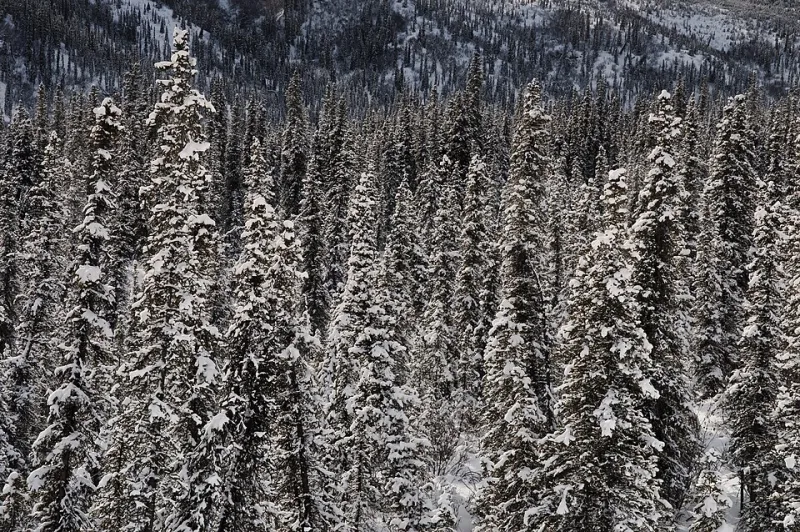
Photo: NPS Photo / Tim Rains, Public domain, via Wikimedia Commons
Ask a reader to name the great antagonists of fantasy and they will speak of dragons, dark lords, and corrupting rings. Ask a Canadian reader, and they may quietly add: February. In the fantasy traditions of Britain and the United States, winter tends to arrive as an event — a White Walker advance, a Long Winter of enchantment, a season that breaks. In Canadian fantasy, winter is not an event. It is a condition, and the fiction that grows from it is shaped accordingly.
Winter as Test, Not Invasion
The distinction matters. When C.S. Lewis's Narnia is locked in endless winter, the snow is a spell, a symptom of evil, something to be thawed by a returning Aslan. It is a British winter — dramatic, temporary, ultimately survivable with hot tea and a change of regime. Canadian storytelling begins from different premises. Here, winter is not an interruption of the natural order; it is half of it. The narrative question is never how do we end winter? but how do we live through it — and what do we become while doing so?
That question functions as a superb plot engine. Snowbound isolation compresses a cast into close quarters and strips away their options, which is to say their pretences. A character cut off by a blizzard cannot flee, cannot summon help, cannot wait for the problem to pass. The long night becomes a moral test with a deadline: ration the food, tend the fire, decide who does the dangerous errand. Survival fiction and fantasy fiction converge, and the reader discovers that the stakes of magic are measured in cordwood and flour.
A Reading List for the Long Night
For readers who want to explore this tradition, a few starting points:
-
Alison Baird's Trellis novels — Baird's settings treat the Canadian climate as narrative pressure in the truest sense. Distance, weather, and season are not painted scenery; they determine what her characters can know, reach, and save. The otherworld in her fiction does not cancel the Canadian landscape but presses against it.
-
Yann Martel's The High Mountains of Portugal and the broader Canadian literary tradition of the snowbound journey, which fantasy writers draw on freely.
-
Guy Gavriel Kay's northern passages, where the cold of invented worlds carries the memory of our own.
-
Charles de Lint's Ottawa stories, where winter urban fantasy shows that isolation is a condition of cities as much as of wilderness.
-
Eden Robinson's Trickster cycle, in which the coastal winter and the dark of the season carry supernatural weight rooted in Haisla and Heiltsuk storytelling.
What the Cold Teaches
There is a lesson in all of this about what Canadian fantasy does differently. Temperate fantasy can afford to treat nature as scenery because, in temperate climes, nature usually is. Canadian writers know better. The cold is a character with motives of its own — indifferent, yes, but consistent, and therefore trustworthy in a way villains never are. A reader who has waited for a bus in Winnipeg in January understands, at a level no world-building lecture can teach, what a blizzard does to a plot.
The best of this fiction does not conquer the winter. It negotiates with it, respects it, and occasionally, in the finest passages, loves it. That, more than any maple leaf or mountie, is what makes a fantasy recognizably Canadian: the honest acknowledgement that the season is longer than you are, and the story must be written around it.