Hearing the North: What Narration Reveals — and Endangers — in Canadian Fantasy Audiobooks
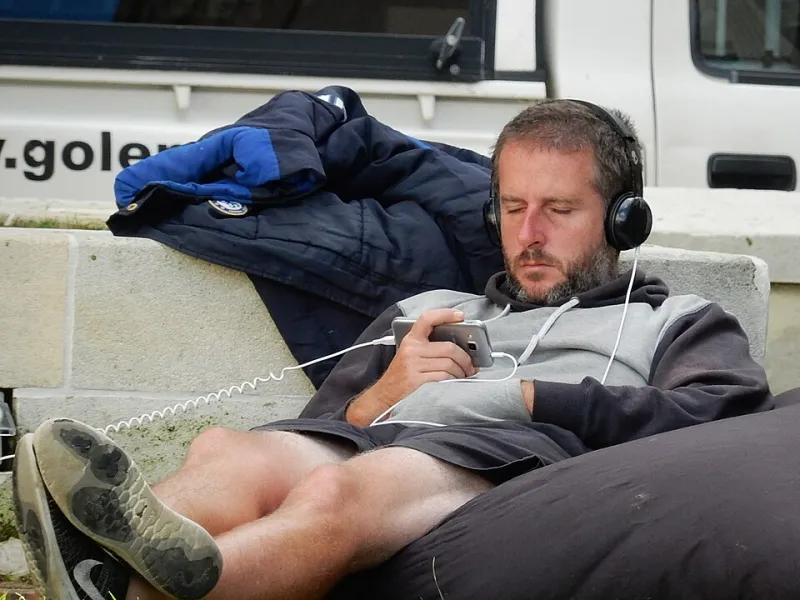
Photo: Michael Coghlan from Adelaide, Australia, CC BY-SA 2.0, via Wikimedia Commons
There is a moment every audiobook listener knows. A narrator reaches an invented name — a place, a protagonist, a river with no counterpart on any map — and pauses, almost imperceptibly, before committing to a pronunciation. In that pause lies the whole gamble of fantasy audio. The reader who has carried the book silently for years may find their private version of the name confirmed, or quietly overwritten forever.
For Canadian fantasy, the stakes are particular. Our genre voices have long drawn on landscapes that resist easy phonetics: boreal place names, coastal rhythms, the cadences of communities scattered from Newfoundland to Vancouver Island. When those words move from page to ear, something is translated — and something is at risk.
The Ear Is a Different Country
Reading is a private act of world-building. Each of us casts our own voices, accents the invented syllables according to our own linguistic habits. Listening is communal in a subtler way: the narrator becomes the single authoritative voice of a world that previously belonged to everyone.
This can be a gift. A skilled narrator gives coherence to a sprawling invented geography, ensuring that a river named in chapter one sounds like the same river in chapter thirty. It can also be a loss. Listeners occasionally report a strange grief when a beloved book's audio version pronounces a name differently than they always had in their heads — a small eviction from a world they thought was theirs.
The question worth asking is not whether audiobooks are inferior to print. It is what the ear does differently than the eye, and whether Canadian fantasy — with its rootedness in specific, often unpronounceable landscapes — gains or loses more than most in the exchange.
What Narration Adds
Consider what a narrator must do with a fantasy text. Dialogue in invented dialects must sound consistent without becoming caricature. Names drawn from or echoing Indigenous and settler histories demand care and, ideally, consultation. Descriptions of landscape — a treeline, a lake at freeze-up, a summer storm rolling over the Shield — must be spoken with the patience those images deserve.
When this is done well, the audiobook becomes a form of interpretation as serious as any essay. Narrators of Canadian fantasy have spoken in interviews about treating invented names the way an actor treats a Shakespearean line: choosing a stress, a rhythm, a logic, and then honouring it. The best recordings make an invented world feel not just consistent but inhabited — as though someone from that place is telling you about it.
What Narration Risks
The risk is flattening. A name that looked intriguingly ambiguous on the page becomes fixed. A dialect that readers could inhabit at their own pace becomes a performance, and performances can tip into parody. For fantasy rooted in Canadian places — where the line between homage and appropriation of real linguistic traditions can be thin — the narrator's choices carry ethical weight, not merely aesthetic ones.
Publishers have grown more careful. Pronunciation guides are increasingly standard in recording sessions; some authors now sit in on early sessions or record brief notes for narrators. Readers, too, can be careful listeners: noticing when a voice honours the text and when it merely decorates it.
A Listening Guide: Where to Start
For readers curious about how Canadian fantasy sounds, a few practical suggestions:
- Start with a book you already know in print. Comparing your internal version of a world with a narrator's is the fastest way to understand what audio changes.
- Seek out author-read recordings when they exist. Few things reveal an author's own sense of their world's sound more directly.
- Sample before you commit. Most platforms offer previews; listen specifically for how the narrator handles the first invented name. That single choice tells you most of what you need to know.
- Attend a live reading. Canadian fantasy authors tour festivals and conventions from coast to coast, and hearing a passage read aloud by its creator is the closest thing to a reference recording most books will ever have.
- Listen to the land. Pair a fantasy audiobook with recordings of the landscapes it echoes — a walk with headphones through a similar terrain is a curiously effective way of testing whether the narration rings true.
Two Ears, Two Countries
The audiobook question, in the end, is not really about technology. It is about the old truth that a fictional world is never finished until someone encounters it — and that the ear encounters differently than the eye. Canadian fantasy, born of landscapes that are themselves full of sounds most of the world has never heard, has more to gain from this format than almost any other genre. It also has more to protect.
Listen closely. The north, when spoken aloud, deserves nothing less.